

Launching a mobile app is no longer just about great design or strong functionality. Success depends on how effectively you bring your product to market, how well you understand your users, and how quickly you adapt to shifting digital trends.
With competition rising across every category, businesses need a marketing approach that connects, converts, and keeps people engaged long after the first download.
This article breaks down the strategies, tools, and trends that matter most today, giving you a clear roadmap for promoting your app with confidence and intention.
What is Mobile App Marketing?
Mobile app marketing is the process of promoting a mobile application to reach potential users, drive downloads, and ensure long-term engagement. Unlike traditional product marketing, which often focuses on physical goods or services, mobile app marketing requires strategies tailored to digital distribution channels, app store visibility, and user behavior within mobile ecosystems.
A key distinction between marketing a mobile app and a traditional product lies in the measurement and immediacy of results. Mobile app marketing allows for real-time tracking of downloads, in-app activity, and retention, enabling marketers to quickly optimize campaigns and respond to user behavior. It also involves unique techniques such as app store optimization (ASO), push notifications, and in-app engagement strategies.
A well-structured mobile app marketing strategy aligns with overall business goals by ensuring the app attracts the right audience, supports revenue objectives, and strengthens brand presence. By integrating marketing with product development, analytics, and user experience, businesses can maximize the app’s impact.
Key benefits of mobile app marketing include the following:
- Increased awareness: helps your app reach a wider audience through targeted campaigns.
- User acquisition: drives downloads from users most likely to engage and convert.
- Retention: encourages ongoing app usage through notifications, updates, and engagement tactics.
- Revenue growth: supports monetization strategies, in-app purchases, and long-term profitability.
Understanding Your Target Audience
Understanding your target audience is a critical component of successful mobile app marketing. Creating detailed user personas allows you to identify key characteristics such as demographics, behaviors, motivations, and pain points, ensuring your marketing efforts are highly relevant and targeted. By knowing who your ideal users are, you can tailor messaging, visuals, and promotions to appeal directly to their needs and preferences.
Market research plays a central role in informing marketing tactics. By analyzing industry trends, competitor strategies, and user behavior, you can develop campaigns that resonate with your audience while avoiding ineffective approaches.
Segmenting audiences based on app type is also essential. For example, B2B apps may require LinkedIn campaigns and whitepapers, while gaming or lifestyle apps benefit from social media, influencer outreach, and interactive content.
Several tools can help you gain insights into user behavior.
App analytics track in-app engagement and retention, surveys provide direct feedback, and social listening reveals conversations and trends relevant to your app.
By combining these insights, you can create marketing strategies that attract, engage, and retain your target audience effectively.
Building a Mobile App Marketing Plan
Once you have a clear understanding of your target audience, the next step is creating a comprehensive mobile app marketing plan. A well-structured plan ensures that your marketing efforts are organized, measurable, and aligned with your business objectives.
Key components of a strong marketing plan include:
- Goals and KPIs: Establish clear objectives for your app, such as driving downloads, boosting user retention, increasing engagement, and generating revenue. Key performance indicators help track progress and measure the success of campaigns.
- Budget allocation and marketing channels: Define how much you will invest in different marketing activities and which channels are most effective for reaching your audience. This may include social media, paid search, influencer partnerships, email campaigns, and app store ads.
- Timeline: Plan your marketing efforts across the app’s lifecycle, including pre-launch activities like teasers and beta testing, launch campaigns to maximize visibility, and post-launch strategies for retention and ongoing engagement.
Pre-Launch Mobile App Marketing Strategies
Marketing your mobile app effectively starts before launch. Pre-launch strategies focus on building anticipation, gathering feedback, and creating an initial user base to ensure a strong debut.
- Buzz building: Generate excitement with teaser campaigns, sneak peeks, countdowns, or early sign-up opportunities. These efforts create awareness, encourage sharing, and start engaging your potential audience even before the app is available.
- Online presence: Establish a landing page to highlight your app’s features and benefits, and include email capture forms to build a subscriber list for launch announcements and promotions. Maintain an active social media presence to engage users, share updates, and create a community that will support your app from day one.
- User testing: Conduct beta testing with a select group of users to identify bugs, usability issues, and areas for improvement. Collecting feedback at this stage ensures that the app delivers a smoother user experience and reduces the risk of negative reviews at launch.
- Early credibility: Encourage early reviews and collaborate with influencers or industry partners to endorse your app. Positive pre-launch testimonials generate trust, increase visibility, and can drive initial downloads when the app goes live.
App Store Optimization (ASO)
App Store Optimization (ASO) is the process of improving your mobile app’s visibility and discoverability within app stores, such as Google Play and the Apple App Store. Similar to search engine optimization for websites, ASO ensures your app ranks higher for relevant search terms, increasing the likelihood of organic downloads. A well-executed ASO strategy directly impacts your app’s visibility, user acquisition, and overall success.
Key ASO strategies include optimizing keywords in your app title and description, creating a compelling and clear description that communicates your app’s value, and designing high-quality screenshots and video previews that showcase the app’s functionality and appeal. Additionally, encouraging users to leave reviews and ratings is essential, as higher ratings and positive feedback improve rankings, build trust, and influence download decisions.
It’s important to recognize the differences between app stores.
- Google Play relies heavily on keyword optimization and metadata.
- The Apple App Store prioritizes factors like engagement, download velocity, and user ratings.
Understanding these nuances allows marketers to tailor ASO strategies to each platform, maximizing visibility and downloads. By continuously monitoring performance and refining ASO efforts, you can ensure your app reaches the right audience and achieves long-term growth.
You can read more about creating an effective ASO strategy here.
Paid Mobile App Marketing Campaigns
Paid marketing campaigns play a crucial role in promoting a mobile app, helping reach a wider and more targeted audience than organic strategies alone. Common paid strategies include search ads, social media ads, and influencer marketing, each designed to drive downloads, increase visibility, and generate engagement.
Search ads target users actively looking for solutions, while social media ads allow precise targeting based on demographics, interests, and behavior. Influencer marketing leverages trusted voices to create credibility and awareness for your app.
Choosing the right platform depends on your target audience. For example, B2C lifestyle or gaming apps may perform well on Instagram, TikTok, or Facebook, whereas B2B apps are better suited to LinkedIn campaigns. Google Ads can effectively capture users searching for relevant solutions across both search and display networks.
Retargeting campaigns are essential for re-engaging users who have previously interacted with your app or website but have not yet converted. These campaigns remind users of your app and encourage downloads or in-app activity.
Finally, A/B testing is critical to maximize ROI. Testing different ad creatives, messaging, and audience segments allows marketers to identify the most effective approaches, optimize campaigns, and ensure marketing spend generates measurable results. Paid campaigns, when executed strategically, accelerate growth and complement organic efforts.
Organic Marketing and Content Strategies
While paid campaigns can accelerate growth, organic marketing is essential for building long-term engagement, credibility, and a loyal user base. By creating valuable content and fostering community interactions, you can attract users who are genuinely interested in your app and encourage them to stay active over time.
- Content marketing: Publishing blogs, social media posts, YouTube videos, and podcasts related to your app’s niche helps educate, engage, and attract users. High-quality content not only drives organic traffic but also positions your brand as an authority in your industry.
- Community engagement: Participate in online communities, forums, and discussion groups where your target audience is active. Engaging authentically in these spaces builds awareness, generates interest, and encourages users to explore your app.
- Email marketing: Use email campaigns to nurture leads, announce updates, and keep users engaged. Personalized messages, feature highlights, and timely notifications improve retention and drive repeat usage.
- Referral programs: Encourage existing users to share your app with friends and family by offering incentives such as rewards, discounts, or premium features. Word-of-mouth marketing is highly effective, as recommendations from trusted sources often lead to higher conversion rates.
Influencer Marketing and Partnerships
Influencer marketing and strategic partnerships are powerful tools for promoting a mobile app, helping expand reach and build credibility.
Influencer Marketing
The first step is identifying influencers whose audience aligns with your target users. Relevant influencers can authentically showcase your app’s features, share personal experiences, and encourage downloads. When choosing influencers, consider the difference between micro and macro-influencers.
- Micro-influencers typically have smaller, highly engaged audiences and offer cost-effective campaigns.
- Macro-influencers reach a larger audience but come with higher costs.
A well-planned mix between the two can maximize exposure and manage the budget.
Partnerships
Partnerships with complementary brands or apps provide additional opportunities for cross-promotion. Collaborating on joint campaigns, bundled offerings, or co-branded content allows you to tap into audiences already interested in related products or services.
Tracking, Analytics, and Iteration
Tracking and analyzing data is essential to ensure your mobile app marketing campaigns are effective. Analytics tools allow you to monitor key metrics such as downloads, user retention, engagement, and in-app behavior, providing insights into how users interact with your app and which marketing efforts drive results.
Key KPIs to monitor include:
- Downloads: number of app installs and install sources.
- Retention rate: percentage of users returning over time.
- Engagement: frequency and duration of in-app activity.
- Conversion rate: users completing desired actions, such as purchases or sign-ups.
- Lifetime value (LTV): revenue generated per user over their engagement period.
Using real-world data, you can iterate strategies to improve both acquisition and retention. For example, if a particular ad campaign generates installs but low engagement, adjustments can be made to targeting, creative messaging, or onboarding experiences.
Additionally, monitoring trends and insights helps refine overall mobile app marketing strategies. Observing changes in user behavior, competitor activity, and emerging marketing channels allows you to adapt campaigns proactively, ensuring your app remains relevant, visible, and continues to attract and retain users effectively over time.
Adapting Marketing Strategies by App Type and Region
Marketing strategies must be tailored to both the app category and the region in which it is promoted.
Different app types require distinct approaches:
- Gaming apps often rely on social media, influencer partnerships, and engaging visuals.
- Productivity or finance apps benefit from educational content, thought leadership, and B2B outreach.
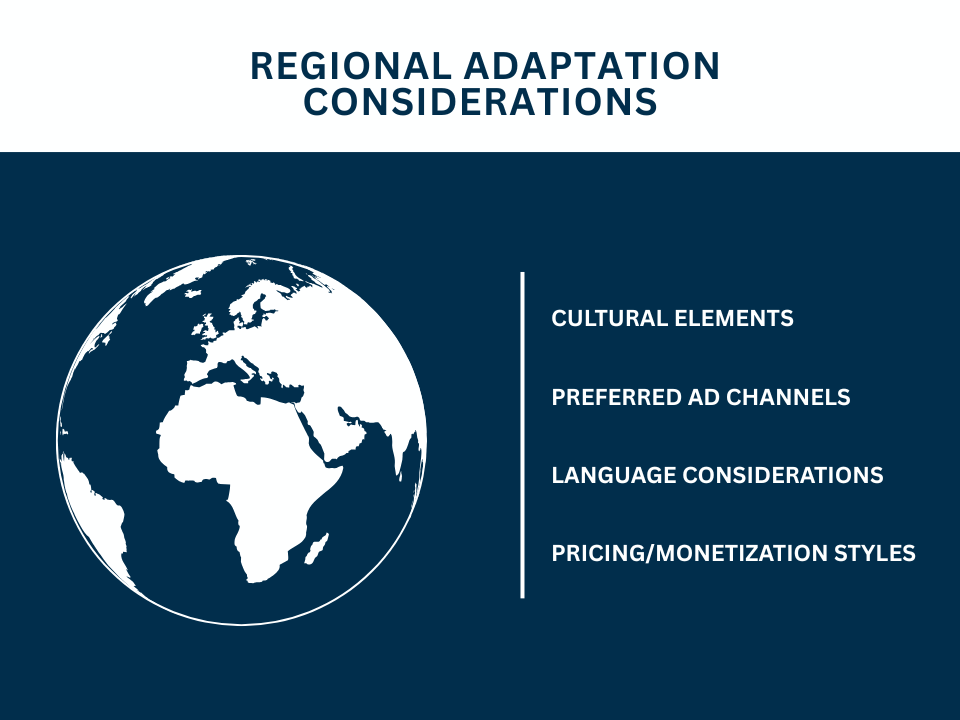
Regional considerations are equally important. Cultural relevance, language, and local advertising platforms impact how campaigns are received and should guide messaging, creatives, and channel selection.
Additionally, pricing strategies and in-app monetization influence marketing tactics. For example, free apps with in-app purchases may focus on engagement campaigns, whereas paid apps may emphasize value propositions.
Adapting strategies in this way maximizes downloads, retention, and revenue across diverse audiences.
Retention-Focused Marketing
Keeping users engaged after download is crucial for long-term success. Effective retention strategies include:
- Push notifications: timely, personalized messages to encourage app usage.
- In-app messages: contextual prompts and tips that guide users through features.
- Gamification: rewards, achievements, and challenges that make the app engaging.
- Loyalty programs: incentives for repeated use, such as discounts, points, or exclusive content.
Retention directly influences organic growth. Engaged users are more likely to leave positive reviews, recommend the app to others, and participate in referral programs. By prioritizing retention, your app not only maintains a loyal user base but also amplifies visibility and acquisition through word-of-mouth marketing.
Mobile App Marketing Trends
Staying ahead of emerging trends is essential for effective mobile app marketing. New technologies and changing user behaviors are shaping how apps are promoted, engaged with, and monetized. Marketers who adapt early can gain a competitive advantage.
- Short-form video content: Platforms like TikTok, Instagram Reels, and YouTube Shorts allow apps to showcase features in engaging, bite-sized formats that capture attention quickly and drive downloads.
- Privacy-focused strategies: With GDPR, CCPA, and increasing privacy regulations, marketers need to prioritize user consent, transparent data practices, and privacy-compliant targeting to build trust and maintain compliance.
- Voice search, AR/VR, and gamification: Integrating emerging technologies like voice commands, augmented or virtual reality features, and gamified experiences, creates immersive engagement and helps apps stand out in crowded marketplaces.
- AI-driven marketing and personalization: While AI tools can help tailor content, users increasingly value authentic, human-generated messaging. Marketing that feels relatable and human-centric often outperforms fully automated campaigns.
Navigating these trends effectively requires expertise and experience. Contact us at AppIt to discuss mobile app development and the full range of strategies needed to launch a successful app.