Building an app is one thing. Getting people to download it, use it regularly, and turn it into a growth engine is another. Many businesses invest in custom app development, only to find that their app sits quietly on devices with minimal engagement.
The challenge isn’t technology, it’s adoption.
Understanding how to get users for your app requires more than promoting it on social media or hoping word of mouth spreads. It starts with strategic planning, thoughtful design, and a clear understanding of your audience. From optimizing your app store listing, to creating an onboarding experience that keeps users coming back, every decision impacts whether your app thrives or stalls.
In this article, we’ll walk you through proven strategies for attracting downloads, driving engagement, and turning users into advocates. Whether you’re launching your first app or looking to boost adoption for an existing one, these insights will help you get more users on your app and keep them coming back.
How to Get Users for Your App (and Keep Them Coming Back)
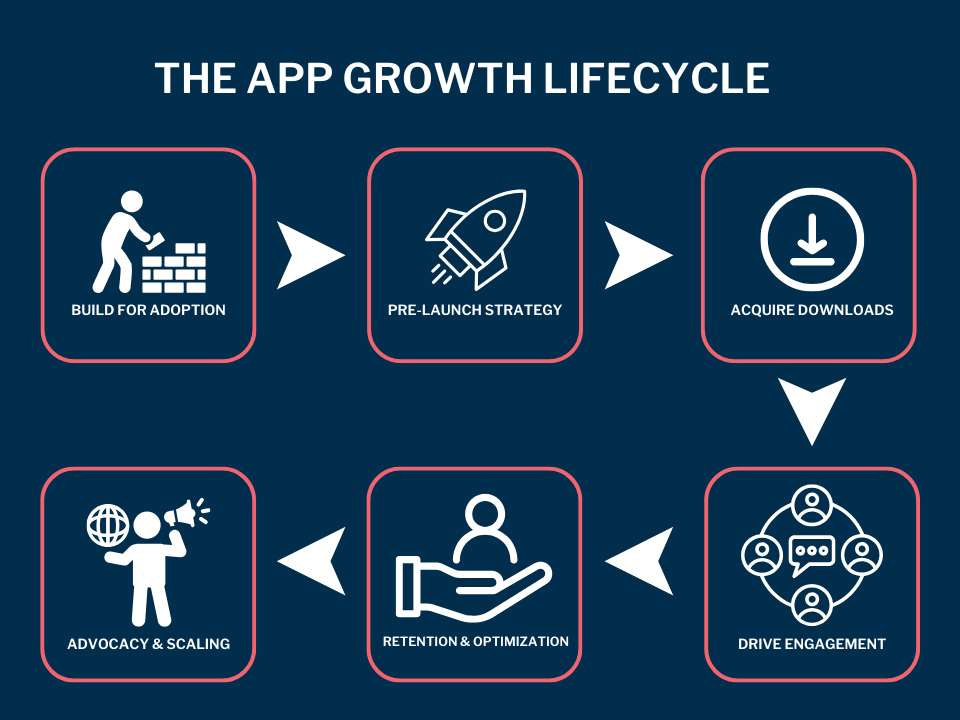
Building an App Is Only Step One
Investing in custom app development is a major milestone for any business. But launching your app isn’t the finish line; it’s the starting point. Many companies ask for our help after realizing that simply building a mobile app doesn’t automatically solve the bigger challenge: how to get users for your app and keep them engaged long term. The real work begins after launch, when visibility, adoption, and retention determine whether your app becomes a growth engine or a sunk cost.
- Low downloads: You can have a well-built app, but if no one knows it exists, it won’t gain traction. Businesses often struggle with how to get users to download your app in a crowded marketplace where thousands of apps compete for attention daily.
- High uninstall rates: Even when users download an app, poor onboarding, performance issues, or unclear value can lead to quick deletions making it difficult to get more users on your app consistently.
- Minimal engagement: Downloads don’t equal usage. Without a clear strategy, businesses struggle with how to get users for your app to return regularly and engage meaningfully.
At its core, successful app development requires more than code. It involves technical architecture, user experience design, scalability planning, and strategic alignment with business goals. Partnering with an experienced development team ensures your app is built not just to function, but to grow.
Before You Promote: Make Sure Your App Is Built for Adoption
Before you invest time and budget into marketing, you need to ensure your app is designed for adoption from the ground up. Growth doesn’t start with advertising, it starts with strategy.
1. Solve a Real Problem
The most successful apps are built around a clearly defined user pain point. If your app doesn’t solve a meaningful problem or significantly improve an existing process, no marketing campaign will sustain its growth.
We work closely with our clients to identify the core challenge their audience faces and align every feature with a specific purpose.
At the same time, it’s critical to avoid feature overload. Adding too many functions too quickly can dilute the app’s value and confuse users. Focused functionality creates clarity, and clarity drives adoption.
2. Define Your Ideal User
Understanding exactly who your app is for shapes everything from design decisions to messaging. Clear target audience definition, strong use cases, and detailed customer journey mapping allow you to build an experience that feels intentional.
When you know how users will discover, download, and interact with your app, you can remove friction before it becomes a barrier.
3. Optimize User Experience (UX) from Day One
If you want to know how to make your app more popular, start with usability. Seamless onboarding, intuitive navigation, fast load times, and cross-platform reliability are non-negotiable. A smooth, high-performing experience encourages users to return and recommend your app to others.
How to Get Users to Download Your App Before and During Launch
A successful launch doesn’t happen overnight. If you’re wondering how to get customers to download your app, the answer lies in building momentum before it ever hits the app stores.
1. Build Anticipation Before Launch
Pre-launch strategy is critical if you want early traction. Start with a dedicated landing page that clearly communicates your app’s value and captures email addresses. Offering beta access or creating a waitlist can generate exclusivity and valuable early feedback.
Early access incentives such as discounts, premium features, or limited-time perks will also encourage sign-ups. You can further pair this with pre-launch social campaigns that tease features, share development updates, and build curiosity around your release date.
2. Leverage Your Existing Audience
Your current audience is your strongest asset. Promote your app through email marketing campaigns, website banners, blog announcements, and even SMS outreach where appropriate. If you’re trying to find customers for my business app, begin with the customers who already trust your brand.
3. Social Media Promotion Strategy
If you’re asking, “how can I promote my app and get more users?”, then social media must be part of the answer—and your strategy. Maintain an 80/20 balance of value-driven and promotional content. Share behind-the-scenes development insights, feature highlights, short demo videos, influencer collaborations, and consider paid app install ads to expand your reach strategically.
App Store Optimization (ASO): Turning Visibility into Downloads
Even the most innovative app won’t gain traction if users can’t find it. App Store Optimization (ASO) is essential if you want to understand how to get users to download your app consistently and organically.
1. Keyword Optimization in App Stores
ASO begins with strategic keyword placement. Your app title and subtitle should clearly communicate value while incorporating relevant search terms. The description should do more than explain features; it should highlight benefits, address pain points, and guide users toward action.
Behind the scenes, backend keyword fields (where applicable) allow you to target additional search terms without cluttering your public listing. When done correctly, keyword optimization increases discoverability and improves conversion rates.
2. Visual Optimization
First impressions matter. Your app icon should be simple, memorable, and aligned with your brand identity. Screenshots must showcase real functionality while emphasizing outcomes, not just features.
Furthermore, preview videos can significantly boost downloads by demonstrating ease of use and value within seconds. Strong visuals help users quickly understand why your app deserves space on their device.
3. Ratings and Reviews Strategy
Ratings influence credibility. Implement well-timed in-app prompts that encourage satisfied users to leave reviews. It is also important to respond to reviews, both positive and negative, as this demonstrates accountability and builds trust.
It’s important to note that social proof plays a major role in how to make your app more popular.
4. Category Selection and Competitive Analysis
Choosing the right category improves visibility, while ongoing competitor analysis helps refine keywords, positioning, and differentiation strategies.
How to Get People to Use Your App After They Download It
Getting the download is only half the battle. If you’re serious about learning how to get users to use your app consistently, your focus must shift to engagement from the very first interaction.
A streamlined onboarding experience reduces friction and builds immediate confidence. This means minimizing required steps, offering social login options for convenience, and guiding users through a short walkthrough that clearly demonstrates value. Most importantly, users should experience a meaningful benefit during their first session; whether that’s completing a task, unlocking content, or achieving a quick win.
Personalization plays a major role in sustained engagement. Ethical and transparent behavioral tracking allows you to tailor recommendations, customize dashboards, and segment push notifications based on real user activity. When content feels relevant, users are far more likely to return.
Push notifications, however, must be handled strategically. Timing matters, and messaging should always deliver value rather than interruptions. Overuse leads to notification fatigue and uninstall rates.
Finally, incentives can accelerate engagement. Referral programs, loyalty rewards, and exclusive app-only offers give users a reason to stay active. When engagement is intentional, you not only retain users, you also create momentum that helps you get more users on your app organically.
Retention Strategy: The Key to Sustainable Growth
Sustainable app growth doesn’t come from downloads alone, it comes from retention. Long-term success requires a lifecycle marketing approach that keeps users engaged well beyond their first interaction.
1. Analyze User Behavior
Retention starts with data. By tracking retention metrics, session frequency, and user flow, you can identify where engagement drops off. This type of churn analysis helps uncover patterns behind uninstalls or inactivity, allowing you to address friction points before they escalate.
When you understand how users behave inside your app, you can make informed decisions that strengthen long-term engagement.
2. Continuous Improvement
Apps should evolve alongside user expectations. Regular feature updates, timely bug fixes, and thoughtful UI/UX enhancements demonstrate that your app is active and improving. Consistent iteration not only improves performance but also signals to users that their experience matters.
3. Feedback Loops
Creating space for feedback builds trust. In-app surveys, structured user testing, and active community engagement provide valuable insights into what’s working and what’s not. Listening to users and acting on their input strengthens loyalty and encourages continued usage.
4. Omnichannel Integration
Retention improves when your app doesn’t operate in isolation. Syncing it with your website, CRM, and email marketing efforts creates a connected experience. A unified loyalty ecosystem reinforces engagement across multiple touchpoints.
Turn Users into Advocates
The most effective way to scale sustainably is to turn satisfied users into vocal supporters. If you’re looking to make your app more popular, advocacy should be a core part of your growth strategy. Users trust recommendations from peers far more than traditional advertising, which makes reviews and referrals powerful acquisition tools.
Encouraging reviews requires intention; therefore, prompting users after a positive interaction, completed milestone, or successful transaction increases the likelihood of a strong rating. Automated in-app prompts can streamline this process, but they should feel natural rather than intrusive. While incentivizing feedback must be handled ethically and within platform guidelines, expressing appreciation and responding thoughtfully to reviews builds credibility and trust.
Referral and ambassador programs add another layer of momentum. Incentivized sharing, whether through discounts, premium features, or loyalty points, motivates users to invite others. Providing shareable content and enabling seamless in-app referral tracking simplifies participation and measures effectiveness.
Finally, building community strengthens long-term advocacy. User groups, active social engagement, and exclusive access to features or updates create a sense of belonging. When users feel connected to your brand, they don’t just stay, they actively help you get users for your app through authentic word-of-mouth promotion.
Paid Growth Strategies for Scaling
Organic growth builds a strong foundation, but paid acquisition can accelerate momentum when executed strategically. For enterprise-level scaling, paid campaigns must be aligned with clear performance metrics and long-term profitability.
- Paid social campaigns: Platforms like Facebook, Instagram, LinkedIn, and TikTok allow precise audience targeting based on demographics, behaviors, and interests. Paid social campaigns are effective for driving installs quickly, especially when paired with compelling creative and strong calls to action.
- Google app campaigns: Google’s app campaigns promote your app across Search, YouTube, Google Play, and the Display Network. These campaigns use automation and machine learning to optimize for installs and in-app actions, helping you reach high-intent users at scale.
- Retargeting ads: Retargeting focuses on users who visited your website or installed your app but didn’t engage. This strategy improves conversion rates by re-engaging warm audiences with tailored messaging.
- Influencer and affiliate campaigns: Strategic partnerships expand reach and credibility. Tracking customer acquisition cost (CAC) versus lifetime value (LTV) ensures sustainable, profitable scaling.
Common Mistakes That Prevent App Growth
Even well-funded apps can struggle if foundational growth principles are ignored. Over the years, we’ve seen several recurring mistakes that limit adoption and long-term success.
- Launching without a marketing plan: Building the app without a clear go-to-market strategy often results in low visibility and disappointing download numbers. Promotion should begin long before launch.
- Ignoring analytics: Without tracking user behavior, retention metrics, and conversion data, businesses operate blindly. Data should guide every optimization decision.
- Overcomplicating onboarding: Lengthy sign-up processes, too many required fields, or unclear instructions create friction that drives users away early.
- Spamming users with notifications: Push notifications should add value, not annoyance. Overuse quickly leads to muted alerts or uninstalls.
- Failing to iterate: Apps that remain static lose relevance. Continuous updates and improvements are essential for maintaining engagement.
Building an App Is Easy. Building Adoption Is Strategy.
Anyone can build an app. Building one that gains traction, retains users, and drives measurable business results requires strategy. At AppIt, we believe successful apps are designed with growth in mind from day one.
Custom mobile app development should always align with broader business objectives, whether that’s increasing revenue, improving operational efficiency, or strengthening customer loyalty. Growth doesn’t happen by accident; it’s engineered through thoughtful planning and execution.
We partner with our clients across every critical stage, including:
- Strategic Planning: Defining clear goals, user personas, and adoption roadmaps.
- User Experience Design: Creating intuitive, engaging interfaces that reduce friction.
- Scalable Architecture: Building robust systems that support long-term growth.
- Growth Readiness: Ensuring analytics, integrations, and optimization strategies are in place from launch.
When development and growth strategy work together, apps don’t just function, they perform.
If you’re ready to build an app users actually want to download and use, let’s talk.